Access agreement
$0 to the landowner
- For properties that support a hunt schedule
- We work the damage in exchange for access
- Vetted guides and screened clients only
- You keep full say over dates and areas
- Removal counts reported to you
 Reap & SowTexas hogs, handled
Reap & Sow / Farm pest control
Whole-sounder wild hog removal for row crop, hay, pasture and orchard operations across East Texas and the farm towns on the edge of the metroplex.
The scale of it
Texas carries more feral hogs than any other state. They are classified as an invasive species, they have no natural check on their numbers here, and they reproduce faster than almost anything a farm has ever had to deal with.
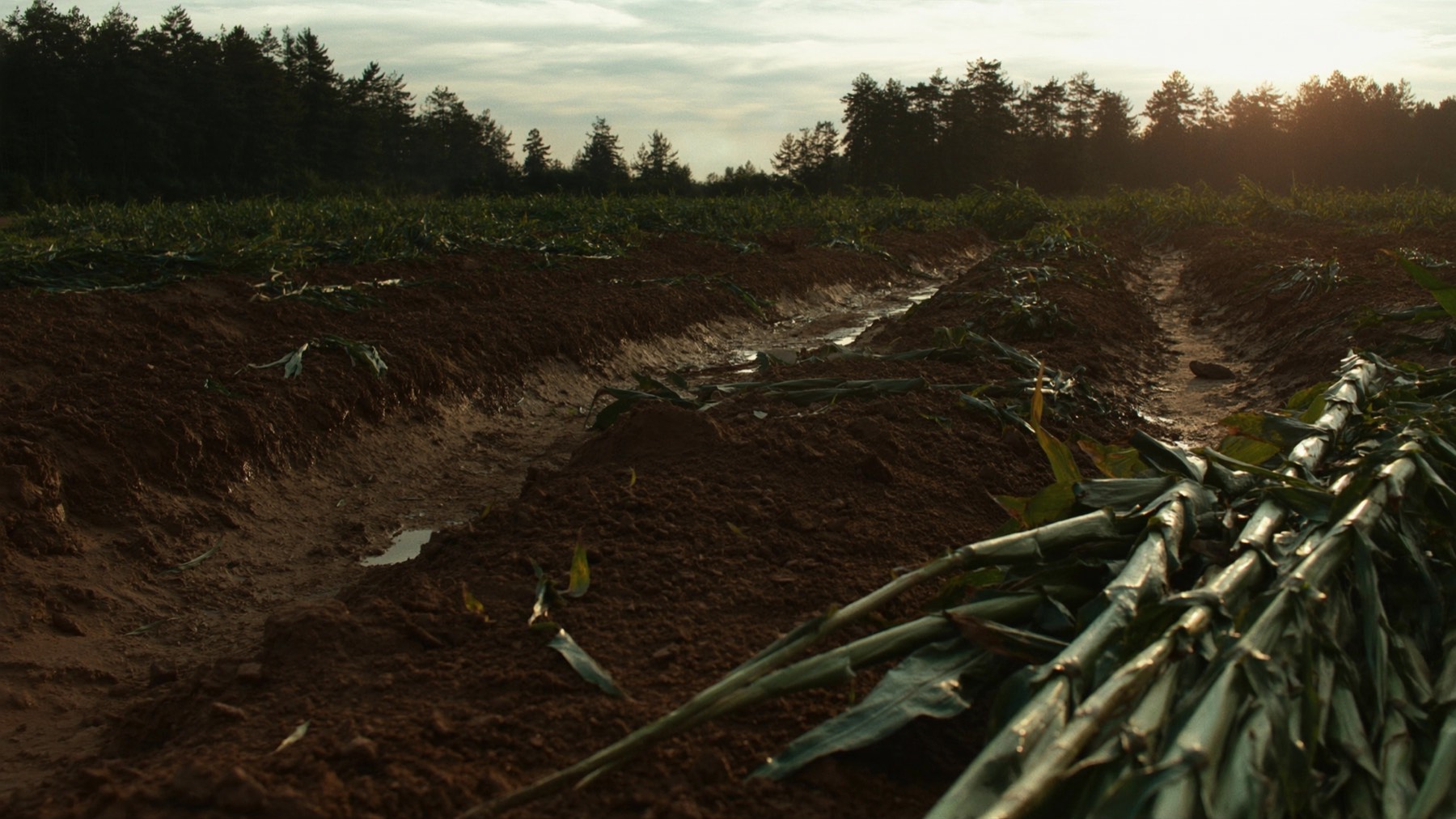
The grain they eat is the smallest line on the page. The expensive damage is what rooting does to your ground, your equipment and your calendar.
| Line item | Basis | Cost |
|---|---|---|
| Corn rooted and trampled | 12 acres at 180 bu, $4.40 per bu | $9,504 |
| Replant and reseeding | 12 acres at $95 per acre | $1,140 |
| Field repair and equipment time | 20 hours at $110 per hour | $2,200 |
| Hay meadow and pasture restoration | 6 acres at $240 per acre | $1,440 |
| Fence, gate and water line repair | Season total | $1,800 |
| Lost wildlife and lease value | Deer and turkey pushed off feed | $900 |
| Season loss | $16,984 | |
Illustrative model built on published damage estimates, not a guarantee. On the free property walk we build this same table with your acreage, your yields and your repair costs.
Our method
Feral hogs live in family groups. Kill two out of fourteen and the other twelve learn the site, learn the sound of a truck and go fully nocturnal. Educated hogs are twice the work and half the catch. So we do not touch a group until we can take all of it.
Five steps
We map rooting, trails, bedding, water and entry points, and put real numbers on what the damage is costing you per season. No charge and no obligation.
Cellular cameras on bait for seven to fourteen days. We count the sounder, identify sows and boars, and learn the hours they move before anything else happens.
A coordinated crew under thermal, positioned on the field the cameras show them using, set up to take the entire group in one pass instead of picking at it.
Follow up on the lone boars and the wary singles that break off the group. We keep coming back until the property goes quiet.
Written removal counts, photos and an updated damage map after every set, then a maintenance schedule so the neighbors' hogs do not move into the empty ground.
How we bill
$0 to the landowner
Quoted by acreage and pressure
Quoted per event
Book a call
Book the free property walk. We come out, map the rooting and the trails, count what you are dealing with and put real numbers on what the damage is costing you per season. No charge and no obligation, even if you decide to handle it yourself.
Calendar not loading? Call (979) 464-6508, we answer seven days a week.
Service area
Van Zandt, Henderson, Wood, Rains, Smith, Anderson, Cherokee, Houston, Freestone, Limestone, Hopkins and Rusk counties.
Parker, Wise, Denton, Collin, Hunt, Kaufman, Ellis and Johnson county farm ground.
Common questions
It depends on acreage, how many hogs are on the place and how fast you need them gone. A season abatement contract on a quarter section typically runs in the low four figures. On ground that supports a hunt schedule we will often work the damage at no cost in exchange for access. The property walk is free either way.
The first cycle usually runs three to five weeks: a damage walk, seven to fourteen days of camera survey, then the first whole-sounder night. Return nights handle the stragglers. Holding the ground after that is a maintenance schedule, not a one-time job, because hogs move in from neighbouring property.
Casual hunting does exactly that, and they come back warier. Taking the entire sounder in one pass is the difference. We do not touch a group until we are set up to remove all of it.
Yes, and standing crop gets priority. Tell us your harvest date when you call and we will schedule around it.
Acreage, what you grow, where you are seeing damage, where the water is, and any hazards, livestock or other people with access. We map the rest on the walk.
No. Most landowners give us gate access and a phone number. You get written removal counts, photos and an updated damage map after every set.